Lead-Safe Painting
Older Buildings, Repainted Safely
Paint in homes and covered properties built before 1978 may contain lead. When preparation disturbs those older layers, the real concern is the chips and fine dust that can travel beyond the work area.
Serving Westchester and Fairfield counties, New York City, and surrounding communities.
Know the Age of the Property
Where Lead Paint Hides
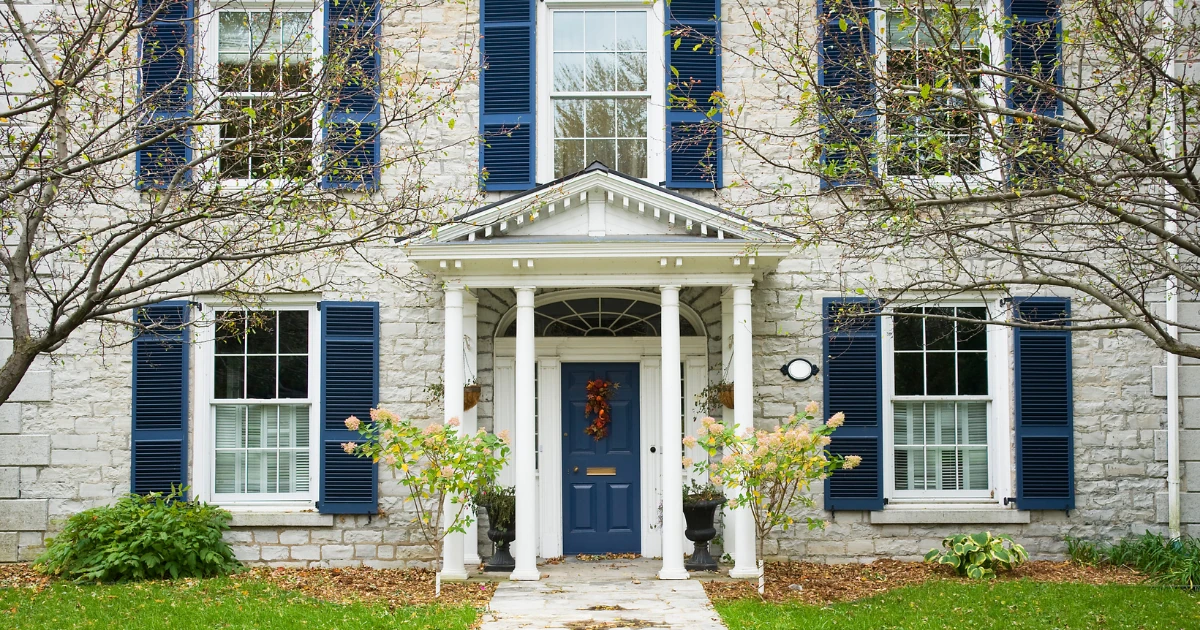
The build date does not tell you where lead is, but it changes how preparation should be planned before a painted surface is disturbed. A room may look freshly painted while older coatings remain underneath.
Built before 1978
Lead may be present below newer paint.
A careful scope review, appropriate testing, and controlled work practices help protect occupants and the property.
Built in 1978 or later
The federal lead-paint presumption changes.
Good containment, preparation, and cleanup still matter, especially when coatings are damaged or the building has older salvaged components.
High-wear surfaces deserve the most attention
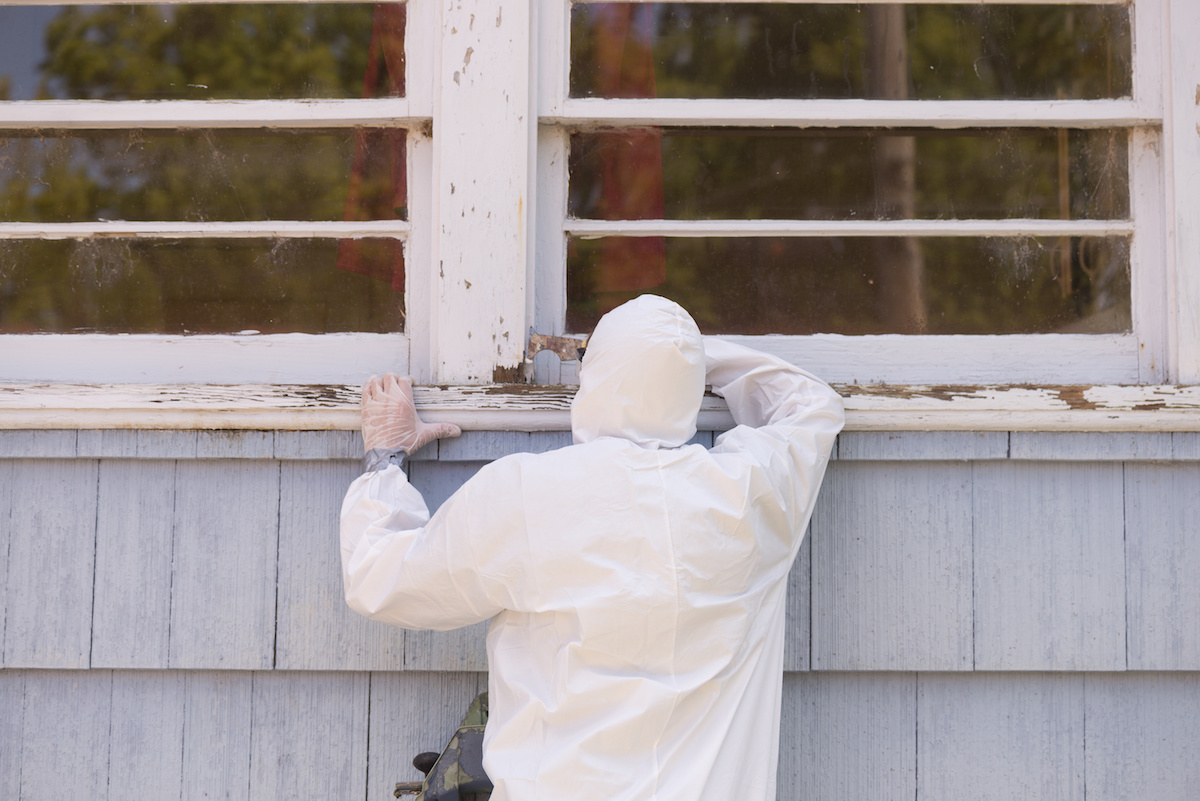
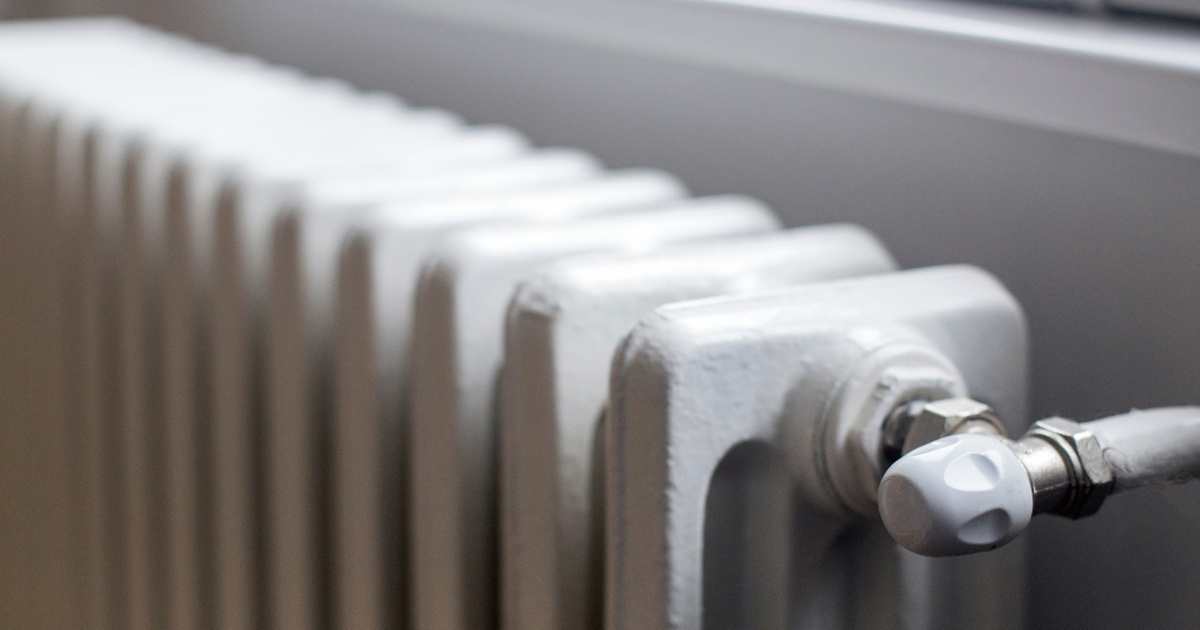
Windows, doors, trim, and other high-wear surfaces deserve particular attention because friction and impact can release dust.
Also worth attention
- Trim, molding, and baseboards
- Older plaster walls and ceilings
- Exterior siding and soffits
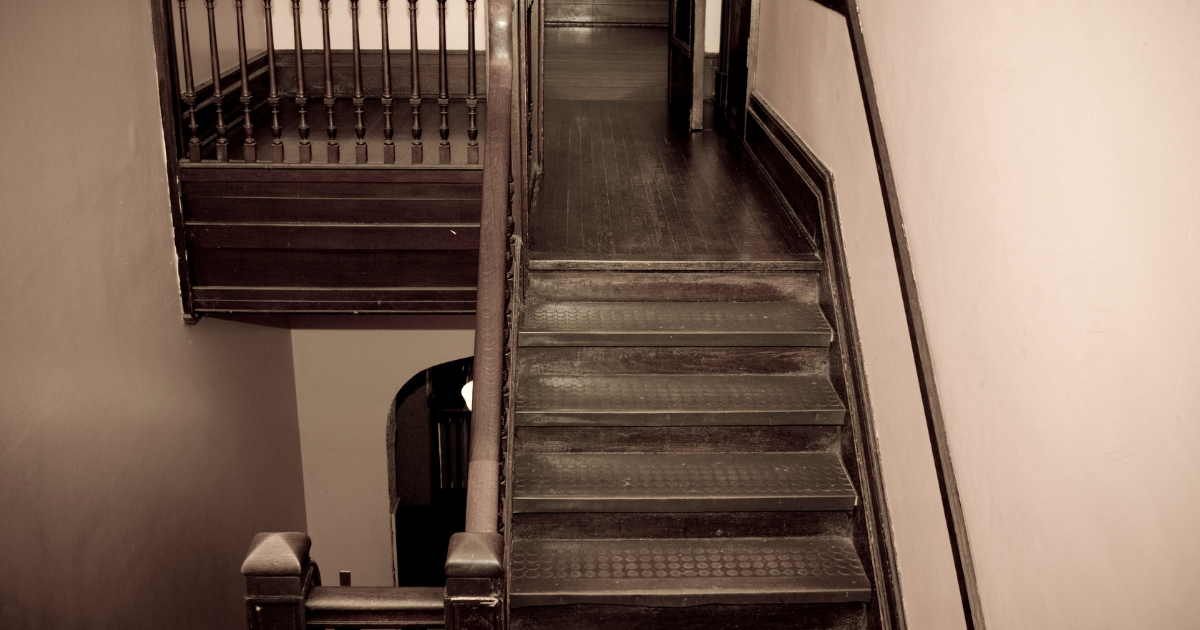
- Railings, porches, and stair stringers
The Invisible Part of the Project
Dust Is the Real Hazard
Sanding, scraping, cutting, demolition, and even opening a painted window can create lead-contaminated dust. Children and pregnant people are especially vulnerable, but exposure can affect anyone in the building, including workers and pets.
Paint condition changes the plan.
Intact, stable paint and peeling, chalking, or friction-damaged paint should not be approached the same way.
A Common Question
Can You Paint Over Lead Paint?
Often, yes, when the existing coating and substrate are sound.
The right approach depends on the surface condition, intended preparation, and project use. Repainting can create a durable, maintainable finish, but it is not lead abatement and should not be presented as permanent lead removal.
Three Ways to Know What You Have
- 1
Start with the build date
If the property was built before 1978, assume lead-based paint may be present until reliable information shows otherwise.
- 2
Look at the condition
Peeling, chipping, chalking, or friction-damaged paint deserves attention, but appearance alone cannot confirm lead.
- 3
Have it tested properly
A certified lead inspector or risk assessor can provide a professional evaluation. For covered renovation work, EPA-recognized test methods may also be used to determine whether lead-safe requirements apply.
A Lead-Safe Project
Control the Work Area from Start to Finish
The governing requirements depend on the building, its use, and the work being performed. We evaluate the scope before any painted surface is disturbed.
- 1
Information and scope before work
We review the property age, painted surfaces, occupants, and project scope, and provide the required pre-renovation information for covered work.
- 2
Contain the work area
The work zone is isolated to keep dust and debris from traveling into occupied spaces or surrounding areas.
- 3
Control preparation
Preparation methods and equipment are selected to limit dust while avoiding prohibited practices on covered projects.
- 4
Clean thoroughly
Debris is collected and the area is cleaned using lead-safe methods, including HEPA vacuuming and wet cleaning as applicable.
- 5
Verify and document
Cleanup is checked before containment comes down, and required project records are maintained for covered renovation work.
Which requirements apply
Homes and apartments
Many pre-1978 houses, apartments, and condominiums are covered when paid renovation work disturbs painted surfaces.
Child-occupied facilities
Pre-1978 schools, preschools, and childcare facilities may be covered when the space regularly serves young children.
Commercial and multifamily
Multifamily housing may fall under the EPA RRP Rule. Other commercial projects are evaluated under the worker-protection, waste, and project requirements that apply to the site.
Frequently Asked Questions
Clear Answers Before Work Begins
Lead-safe work begins with an honest assessment of what is known, what needs to be tested, and which requirements apply.
What should I ask my contractor about my project?+
Five questions separate a firm that plans for lead from one that improvises. Ask any painting contractor, including us:
- 01Is your firm EPA Lead-Safe Certified, and is that certification current?
- 02Will a certified renovator direct the lead-safe work on this project?
- 03How will you contain the space and control dust during preparation?
- 04What cleanup and verification procedures will you use before reopening the area?
- 05What happens if deteriorated or suspected lead paint is discovered after work begins?
Does my house have lead paint?+
A pre-1978 build date means lead-based paint may be present, often beneath newer coatings. The only way to know is through appropriate testing or a professional lead inspection.
Is lead paint dangerous if it is left alone?+
Intact paint is generally less likely to create exposure than peeling paint or paint on friction and impact surfaces. Risk increases when paint deteriorates or renovation work creates chips and dust.
Does lead paint have to be removed before repainting?+
Not always. When the existing coating and substrate are sound, a properly planned coating system may be appropriate. Repainting is not the same as lead abatement, and damaged surfaces may require a different plan.
Can I prepare the surface myself before the painters arrive?+
Do not sand, scrape, or demolish suspected lead-painted surfaces without understanding the risks and requirements. Those activities can generate hazardous dust and can make safe containment more difficult.
Does the EPA RRP Rule apply to every commercial building?+
No. The federal RRP Rule focuses on pre-1978 housing and child-occupied facilities. Other commercial sites can still have lead-related worker-protection, waste, or local requirements, so the property and scope should be evaluated before work begins.
How can I confirm that a contractor is certified?+
Ask for the firm certification and confirm that a certified renovator will direct covered work. EPA also maintains a searchable directory of certified renovation firms.
Plan the Right Next Step
Have the Surface Assessed Before It Is Disturbed
Tell us the property age, what you would like painted, and what you know about the existing coatings. We will help define a responsible scope and identify when additional professional testing is appropriate.
or call (914) 350-5579
Sources
Sources and Further Reading
The federal requirements described on this page come from the EPA. Read them directly, or start with our plain-language article.
 A.G. Williams articleDoes My House Have Lead Paint? What Can I Do About It?Read the article →
EPA resources
The rule itself
Links open on epa.gov.
Federal information line
National Lead Information Center
Questions about lead hazards, testing, and household precautions, answered by the federal center rather than by a contractor.
800-424-LEAD (5323)