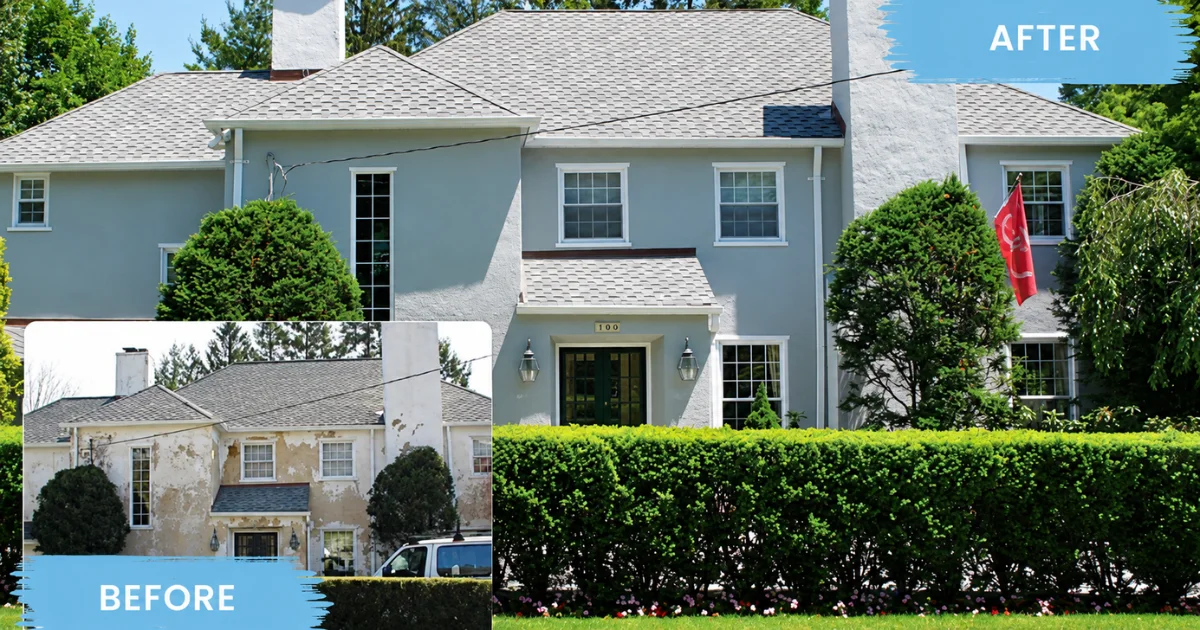
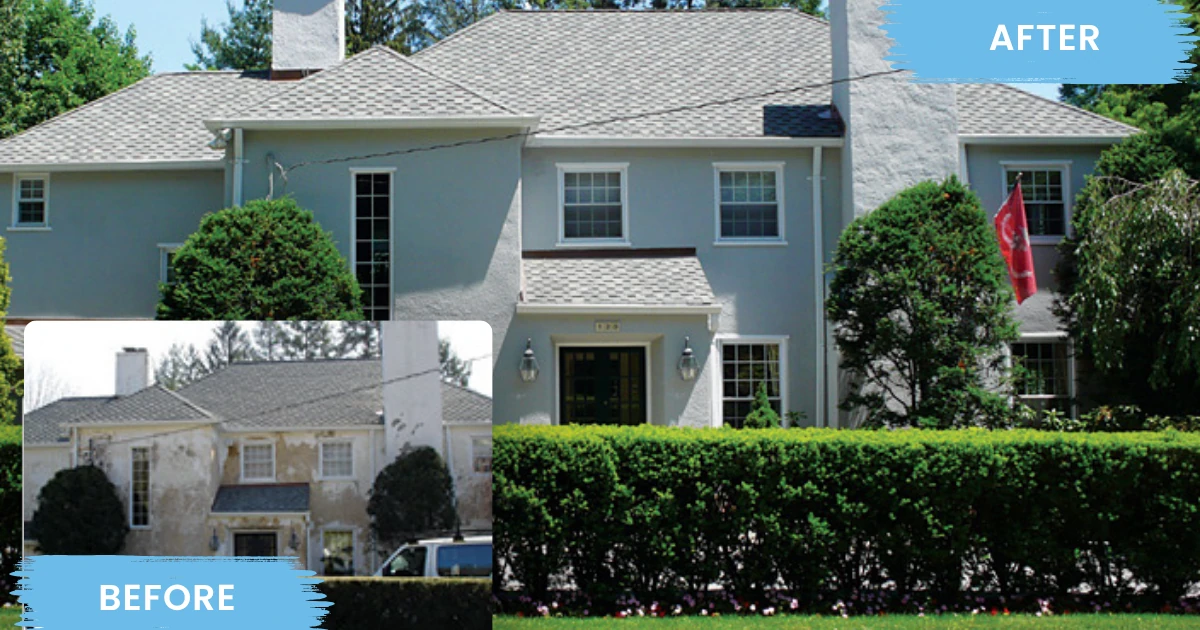
If you are planning a home exterior paint project, timing can make a noticeable difference in how your home looks and how long that fresh coat lasts. Many homeowners assume summer is the obvious choice, while others wait until fall. The reality is that several seasons can work, but each comes with its own advantages and considerations.
At A.G. Williams Painting Company, we help homeowners throughout New York and Connecticut choose the right moment to paint based on weather, surface condition, and overall project goals. In this guide, we will walk through the best times of year to paint your home exterior, what factors really matter, and how to plan for lasting results.
Why Timing Matters for Home Exterior Paint
A successful home exterior paint job is not just about color selection or technique. The environment plays a major role in how paint adheres, cures, and performs over time. Here are a few key factors that timing influences:
Temperature
Most exterior paints perform best between 50 and 85 degrees Fahrenheit. If it is too cold, paint may not cure properly. If it is too hot, it can dry too quickly and lead to uneven coverage.
The number that matters is not the forecast high. It is the surface temperature of the wall and the overnight low that follows. Most acrylic coatings need the surface to stay above their minimum for several hours after application, which means a 55 degree afternoon followed by a 38 degree night can still ruin a coat. Some manufacturers offer low temperature formulations rated down to 35 degrees, and those extend the working season at both ends.
Humidity
High humidity slows drying time and can cause issues like streaking or poor adhesion. Lower humidity levels create more predictable results.
Surface Condition
Your home exterior needs to be clean and dry before painting. Seasonal buildup like pollen, dirt, or moisture can impact how well paint bonds.
Daylight and Scheduling
Longer days allow crews to work efficiently and complete projects faster, which is especially helpful for larger homes.
Season by Season, at a Glance
| Season | Temperature | Humidity | Working daylight | Main watch out |
|---|---|---|---|---|
| Spring | Mild and favorable | Lower than summer | Increasing | Unpredictable rain |
| Summer | Often above ideal | High | Longest | Hot surfaces and peak demand |
| Fall | Cool and steady | Lowest | Shortening | A closing window |
| Winter | Below application range | Snow and ice moisture | Shortest | Not suitable for exterior work |
Spring: A Smart and Strategic Time to Paint
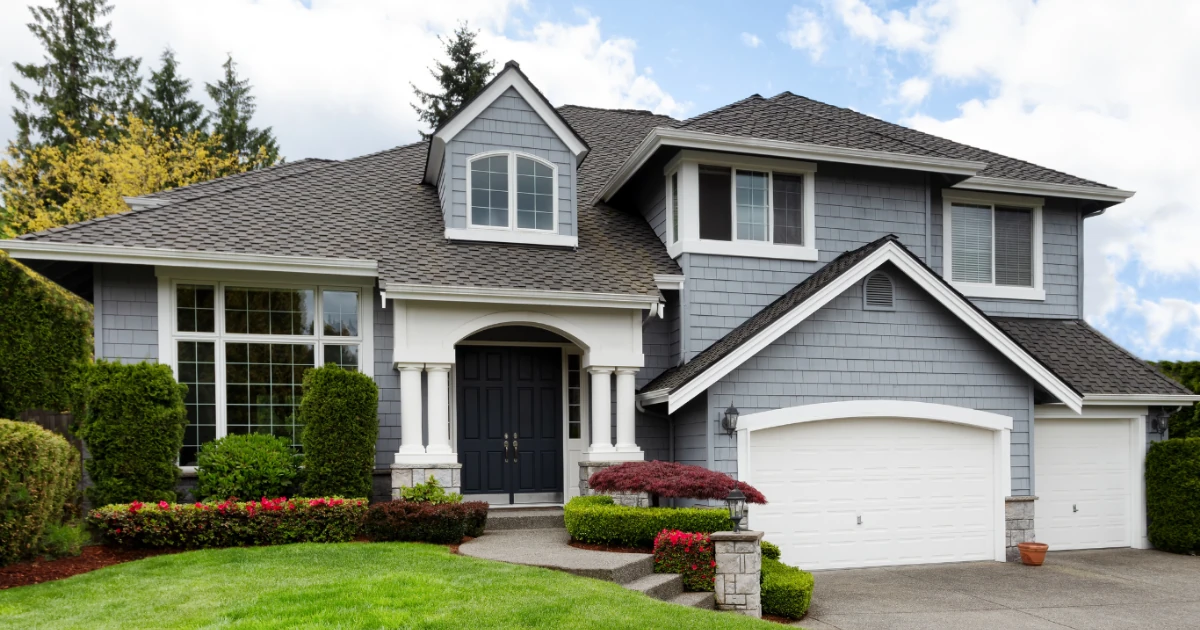
Spring is often one of the most advantageous times for a home exterior paint project, especially in the Northeast.
1. Mild Weather Conditions
Spring temperatures are typically ideal for paint application. You avoid the extreme heat of summer and the chill of late fall.
2. Lower Humidity Compared to Summer
While spring can have some rainy days, it often offers lower humidity levels than peak summer months, which helps paint cure more evenly.
3. Fresh Start for Your Home Exterior
Spring is when many homeowners begin outdoor maintenance like cleaning siding, clearing debris, and inspecting their property. It is a natural time to include painting as part of that refresh.
4. Protect Landscaping Plans
If you plan to plant flowers, install new mulch, or upgrade your landscaping, painting first helps prevent damage from ladders, foot traffic, and protective coverings.
Things to Keep in Mind
Spring weather can be unpredictable. Rain and fluctuating temperatures may require flexible scheduling. Working with a professional like A.G. Williams Painting Company ensures your project is timed around the right conditions. Pollen is the other spring variable. A heavy pollen day will settle onto a wet coat, so washed surfaces sometimes need a second rinse before the crew starts.
Summer: Popular but Requires Careful Planning
Summer is a busy season for home exterior paint, and for good reason. The weather is generally stable, and longer daylight hours allow for efficient work.
1. Consistent Weather Patterns
Fewer rain interruptions make it easier to plan and complete projects on schedule.
2. Extended Work Hours
Long days mean crews can maximize productivity and move through projects quickly.
Heat and Direct Sunlight
High temperatures can cause paint to dry too fast, which may lead to visible brush marks or uneven finishes.
Surface Temperature Matters
Even if the air temperature is acceptable, surfaces exposed to direct sunlight can become too hot for proper application. A dark colored wall in full afternoon sun can run thirty degrees or more above the air temperature. The practical answer is to follow the shade around the house, painting each elevation after the sun has moved off it rather than working straight through in sequence.
Scheduling Demand
Summer is peak season, so availability can be limited. Planning ahead is essential.
A professional team knows how to work around heat by painting shaded areas, adjusting schedules, and selecting the right products.
Fall: A Reliable Window for Exterior Painting
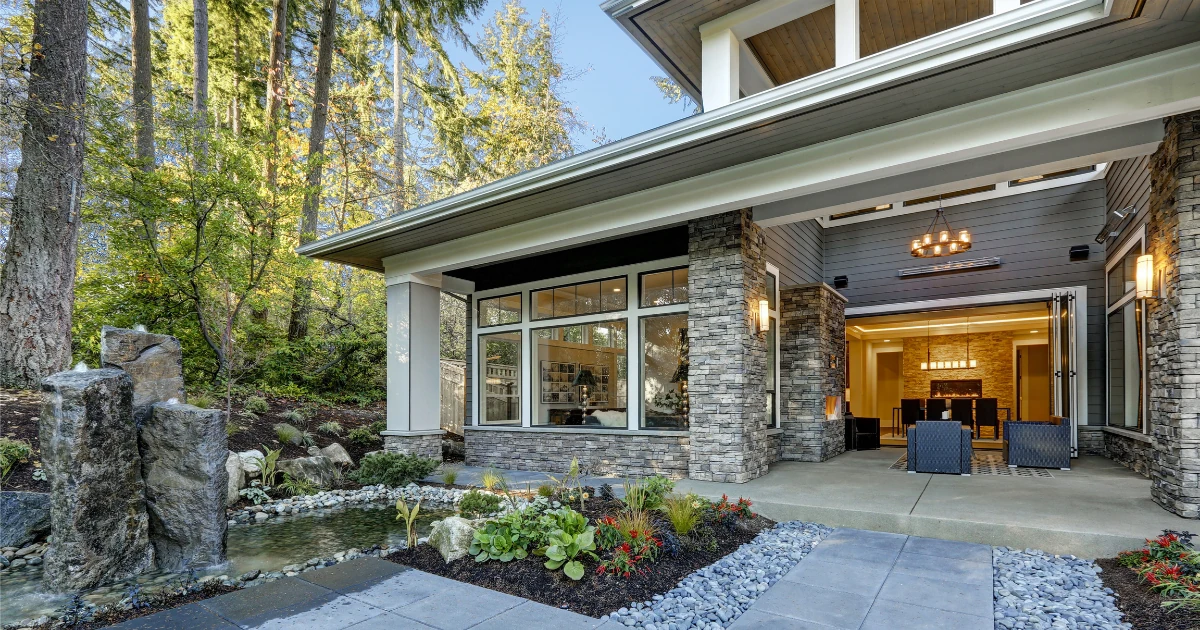
Fall is another excellent time for a home exterior paint project, especially in areas like Westchester, Fairfield County, and surrounding regions.
1. Ideal Temperatures
Cool, steady temperatures create excellent conditions for paint to adhere and cure properly.
2. Lower Humidity Levels
Fall air is often drier than summer, reducing the risk of moisture related issues.
3. Stable Weather Patterns
Early to mid fall typically offers predictable conditions, making it easier to complete projects efficiently.
With Fall, Timing Is Key
The main limitation with fall painting is the shorter window before temperatures drop too low. Once nighttime temperatures begin to dip below recommended levels, painting becomes less reliable.
Dew is the other constraint. As days shorten, surfaces stay damp later into the morning and begin cooling earlier in the evening, which compresses the usable working hours even when the daytime forecast looks fine.
Working with an experienced contractor ensures your project is completed within that optimal timeframe.
Winter: When to Pause Home Exterior Paint Projects
In the Northeast, winter is generally not suitable for home exterior paint. Cold temperatures and moisture make it difficult for paint to cure properly, plus:
- Temperatures often fall below recommended application ranges
- Snow and ice introduce excess moisture
- Short days limit productivity
- Surfaces remain too cold for proper adhesion
While exterior work slows down, winter is a great time to plan your project, choose colors, and schedule for the upcoming season. It's also a critical time to keep an eye on your roofline for any possible ice dams.
It is also the right season to move the work indoors. Interior projects are unaffected by outdoor conditions, and settling on your color direction while the exterior is on hold means the crew can start outside the moment conditions allow.
Planning Your Home Exterior Paint Project the Right Way
Choosing the right season is only part of the equation. A successful home exterior paint project also depends on preparation and execution.
Start with a Thorough Inspection
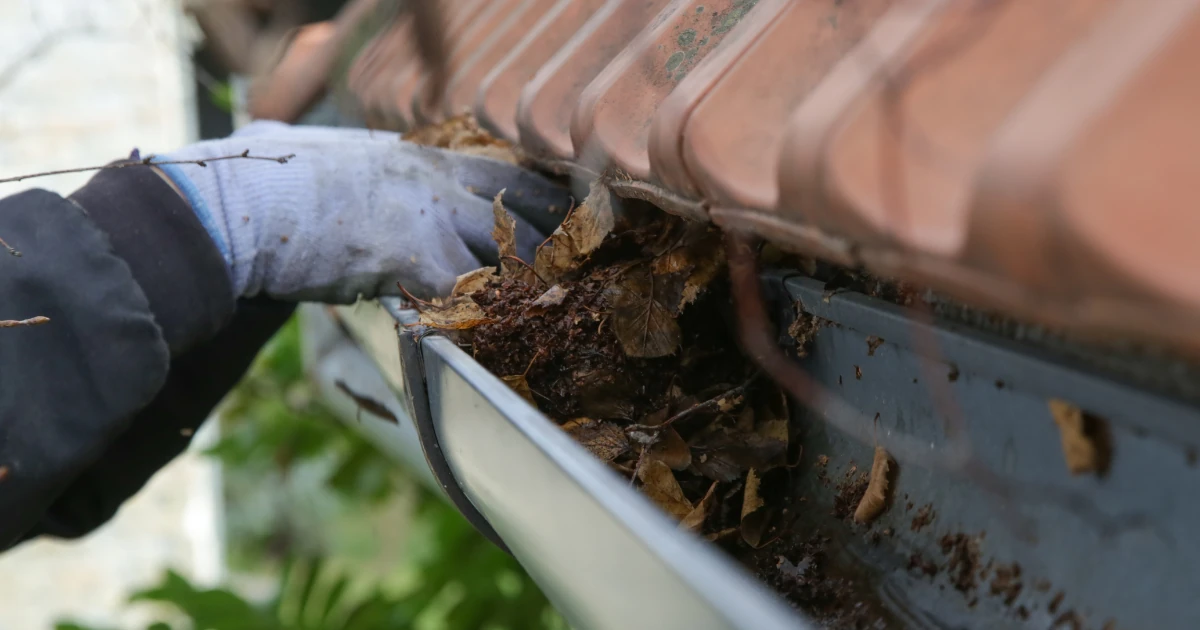
Before painting, your home should be evaluated for:
- Peeling or failing paint
- Wood rot or surface damage
- Mold or mildew
- Caulking and sealing issues
- Clogged gutters and downspouts directing water onto siding
Addressing these areas ensures your new paint will last longer and look better. It is also why the inspection happens before the estimate is final rather than after the crew arrives. Carpentry and repairs discovered mid project are what turn a predictable schedule into a moving one.
Proper Surface Preparation
Preparation is one of the most important steps in exterior painting. This includes:
- Power washing to remove dirt and debris
- Scraping and sanding loose paint
- Priming bare surfaces
- Repairing minor damage
Skipping these steps can lead to premature paint failure. Washed surfaces also need drying time before coating, typically a full day in good conditions and longer in humid weather, which is part of why a schedule is measured in days rather than hours.
Choosing the Right Products
Not all paints are created equal. High quality exterior paints are designed to:
- Withstand UV exposure
- Resist moisture and mildew
- Expand and contract with temperature changes
How Far in Advance Should You Schedule?
For the best results, it is smart to plan your home exterior paint project ahead of time.
- Late winter to early spring: ideal for scheduling spring projects
- Spring to early summer: book for summer availability
- Mid summer: schedule for fall projects
Planning early gives you more flexibility and ensures your project is completed during optimal conditions. The pattern to notice is that the booking season always runs one season ahead of the work.
Signs It Is Time to Paint Your Home Exterior
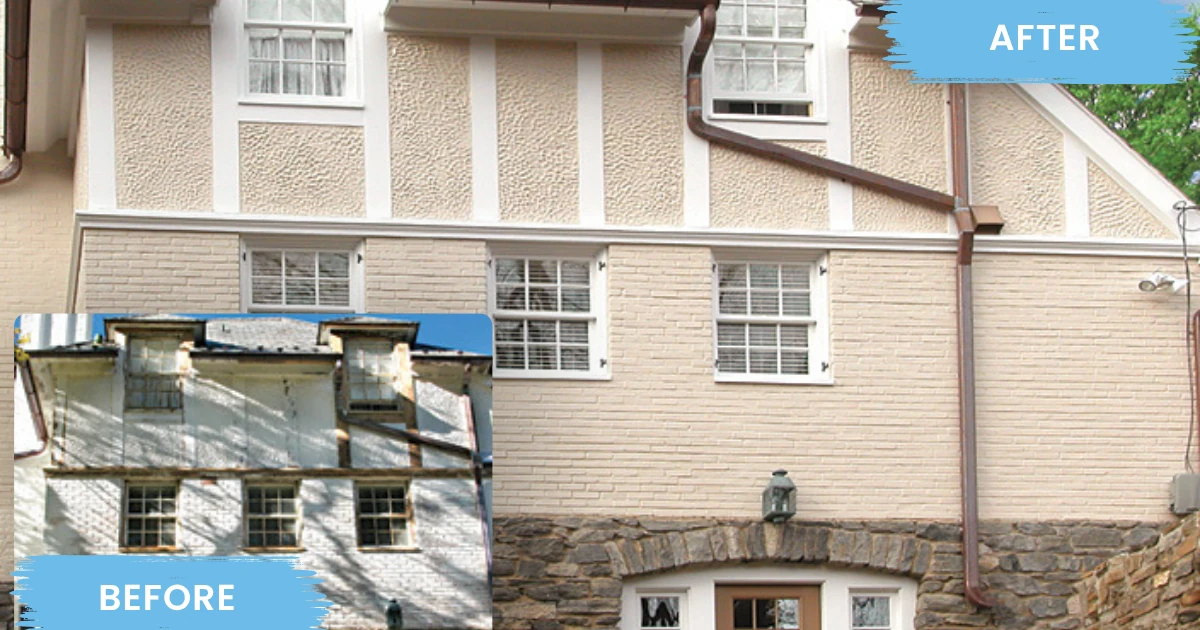
If you are unsure whether it is time to repaint, look for these common signs:
- Fading or dull color
- Peeling or cracking paint
- Visible wood or exposed surfaces
- Mold, mildew, or staining
- Caulking that is failing
Even if your home still looks decent from a distance, these issues can indicate that your exterior needs attention. As a general benchmark, most exterior paint jobs in this region last four to ten years, with preparation and materials making most of the difference.
A.G. Williams Painting Company has been serving homeowners across New York and Connecticut for decades. Our team understands how local weather patterns impact home exterior paint projects and how to plan accordingly. Our residential exterior painting work is backed by our 5-Year Residential Paint Warranty.
Ultimately, the best time depends on your schedule, your home's condition, and working with a professional team that understands how to adapt to changing conditions. If you are considering painting your home exterior, A.G. Williams Painting Company is here to help you plan the timing, choose the right products, and achieve a beautiful, lasting finish.
Recommended Reading
- Exterior Painting Services, A.G. Williams Painting Company
- How Long Will My Exterior Paint Last?, A.G. Williams Painting Company
- A Guide To Replacing Rotting Wood, A.G. Williams Painting Company
- How to Choose the Best Outdoor Paint for Your House, Fitzpatrick Painting
- Essential Prep for Home Exterior Painting, HGTV